Can IVF Help After Recurrent Miscarriages?
Experiencing one miscarriage is heartbreaking, but going through recurrent miscarriages can be emotionally and physically exhausting. Many couples begin to wonder if IVF after recurrent miscarriages can improve their chances of having a healthy baby.
The answer depends on the underlying cause of the miscarriages. While IVF is not the right solution for every couple, it can be an effective treatment when recurrent pregnancy loss is linked to genetic abnormalities, certain fertility conditions, or other identifiable factors.
The first step is understanding why repeated miscarriages occur and how a personalised treatment plan can help.
What Are Recurrent Miscarriages?
Recurrent miscarriage, also known as recurrent pregnancy loss (RPL), is generally defined as two or more consecutive pregnancy losses. It affects a small percentage of couples trying to conceive, and in many cases, the exact cause can be identified through a detailed fertility evaluation.
Although recurrent miscarriages are distressing, many couples go on to have successful pregnancies with the right diagnosis and treatment.
What Causes Recurrent Miscarriages?
There isn’t a single reason why recurrent miscarriages happen. Common causes include:
1. Chromosomal Abnormalities
One of the leading causes of early pregnancy loss is chromosomal abnormalities in the embryo. As maternal age increases, the risk of chromosomal errors also rises.
2. Uterine Conditions
Certain structural problems can interfere with embryo implantation or fetal development, including:
- Uterine septum
- Fibroids affecting the uterine cavity
- Endometrial polyps
- Scar tissue inside the uterus
3. Hormonal Disorders
Conditions such as thyroid disease, uncontrolled diabetes, PCOS, or low progesterone levels may increase the risk of miscarriage if left untreated.
4. Immune and Blood Clotting Disorders
Some women have autoimmune or blood clotting conditions that may affect pregnancy. Your fertility specialist will determine whether additional testing is appropriate based on your medical history.
5. Lifestyle Factors
Smoking, excessive alcohol consumption, obesity, and unmanaged chronic health conditions can also contribute to pregnancy complications.
Can IVF Help After Recurrent Miscarriages?
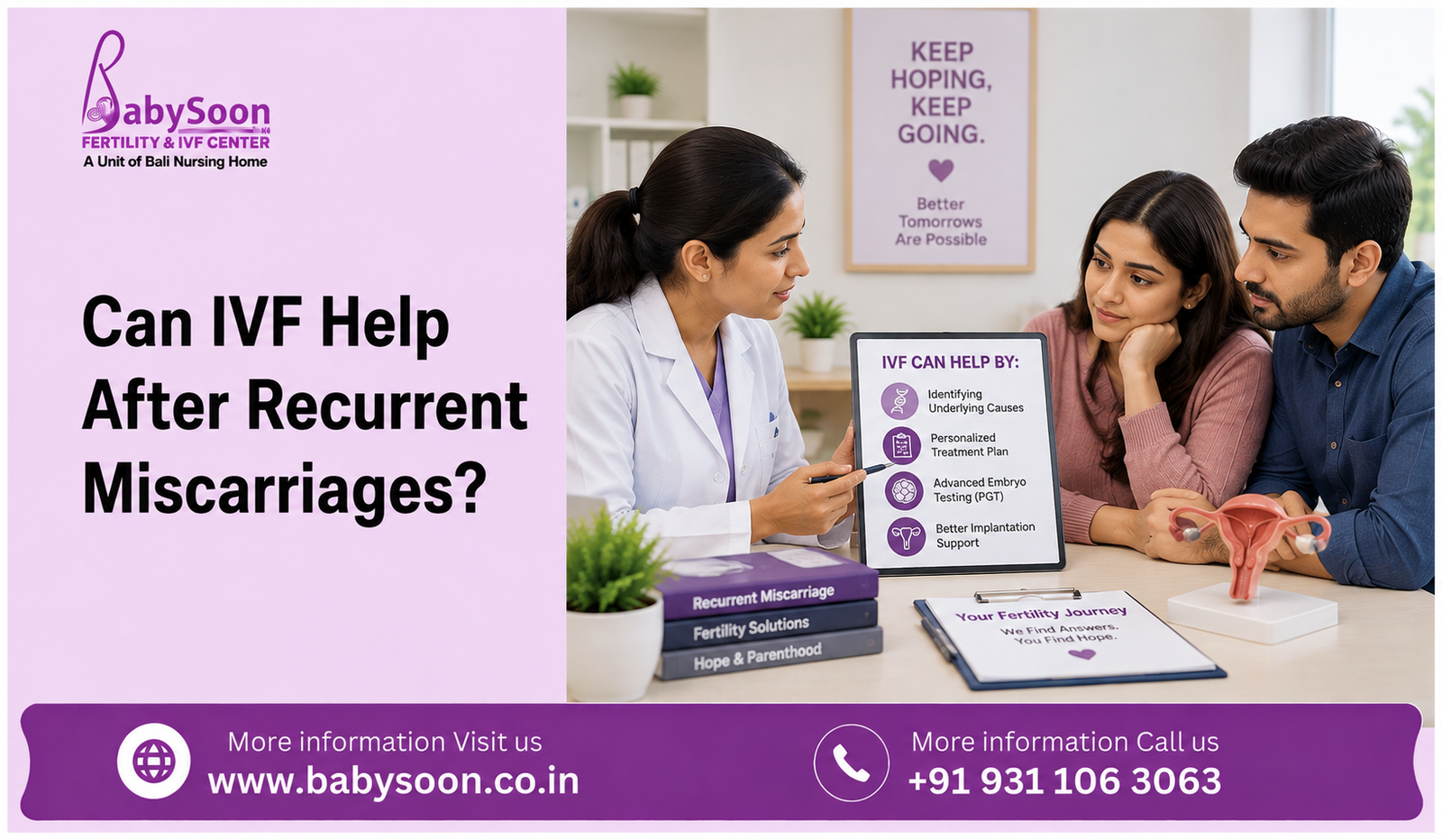
Yes, IVF after recurrent miscarriages may improve the chances of a successful pregnancy in selected cases.
IVF can be beneficial when:
- Recurrent miscarriages are caused by chromosomal abnormalities.
- One or both partners carry certain genetic conditions.
- There are additional fertility problems, such as blocked fallopian tubes, male infertility, or reduced ovarian reserve.
- Previous fertility treatments have not been successful.
During IVF, eggs are fertilised in the laboratory, allowing fertility specialists to closely monitor embryo development before transfer.
When Is Genetic Testing Recommended?
For some couples with recurrent pregnancy loss, Preimplantation Genetic Testing (PGT) may be recommended as part of an IVF cycle.
PGT helps identify embryos with the correct number of chromosomes before transfer, which may reduce the risk of miscarriage in carefully selected patients. However, it is not necessary or beneficial for every couple and should only be considered after a thorough medical evaluation.
Tests Your Fertility Specialist May Recommend
Before recommending IVF, your fertility specialist may perform a comprehensive evaluation, including:
- Hormone profile
- AMH (Anti-Müllerian Hormone) test
- Pelvic ultrasound
- Hysteroscopy or uterine cavity assessment
- Semen analysis
- Genetic testing (when indicated)
- Blood tests for specific medical conditions
Can You Have a Healthy Pregnancy After Recurrent Miscarriages?
Yes. Many couples who have experienced recurrent miscarriages go on to have healthy pregnancies after receiving the right diagnosis and treatment.
Success depends on several factors, including:
- Maternal age
- Egg and sperm quality
- Uterine health
- Overall medical condition
- Individualised fertility care
Early evaluation and timely treatment can significantly improve pregnancy outcomes.
Lifestyle Tips to Support a Healthy Pregnancy
While lifestyle changes cannot prevent every miscarriage, they can support overall reproductive health:
- Maintain a healthy weight
- Eat a balanced diet rich in fruits, vegetables, and protein
- Avoid smoking and alcohol
- Manage stress through healthy coping strategies
- Take prenatal supplements only as recommended by your doctor
- Keep chronic medical conditions well controlled
These habits may help prepare your body for pregnancy alongside medical treatment.
How BabySoon Can Help
At BabySoon, we understand the emotional impact of repeated pregnancy loss. Our fertility specialists take the time to identify the underlying cause of recurrent miscarriages and develop a personalised treatment plan based on your medical history and fertility goals.
Whether IVF is appropriate or another treatment option is more suitable, our focus is on evidence-based care, advanced fertility evaluation, and compassionate support throughout your journey.
Frequently Asked Questions
Can IVF prevent recurrent miscarriages?
IVF itself does not prevent miscarriage. However, in certain situations—such as chromosomal abnormalities or specific genetic conditions—IVF combined with appropriate testing may improve the chances of a healthy pregnancy.
Is IVF recommended after two miscarriages?
Not always. Your fertility specialist will first investigate the possible causes of recurrent pregnancy loss before recommending IVF or any other treatment.
Can I get pregnant naturally after recurrent miscarriages?
Yes. Many couples conceive naturally after recurrent miscarriages, particularly when the underlying cause is identified and treated.
When should I see a fertility specialist?
If you’ve experienced two or more miscarriages, it’s advisable to consult a fertility specialist for a comprehensive evaluation rather than continuing to try without investigating the possible causes.
Experiencing recurrent miscarriages can be one of the most challenging experiences for any couple, but it doesn’t mean you have to give up hope. Understanding the cause of repeated pregnancy loss is the key to choosing the right treatment.
For some couples, IVF after recurrent miscarriages may improve the chances of a successful pregnancy, particularly when combined with a personalised treatment plan and, where appropriate, genetic testing. If you’ve experienced repeated miscarriages, seeking expert fertility care can help you move forward with confidence and clarity.
At BabySoon, our experienced fertility specialists are dedicated to helping couples find answers and supporting them on their journey toward a healthy pregnancy.